Florida Bench Warrants Explained: What You Need to Know
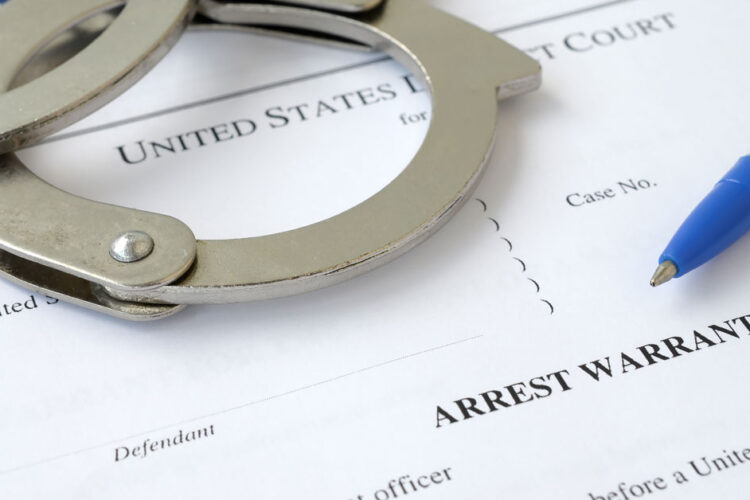
Learn about bench warrants in Florida, their consequences, and how to resolve them while protecting your rights.
Introduction
Bench warrants in Florida can be a serious issue for anyone involved. A bench warrant is a legal order issued by a judge that allows law enforcement to arrest someone. This can happen if a person misses a court date or fails to comply with court orders. Knowing how these warrants work is important to avoid unexpected legal troubles.
Being informed about the consequences of a bench warrant can help you understand the impact on your life. It might lead to arrest at inconvenient times, affecting your personal freedom and regular routine. Knowing what to expect can help you prepare and take proactive steps to resolve the situation.
Luckily, if you have a bench warrant, you can take steps to address it. The process can be stressful, but you can minimize complications by taking the right actions. Understanding your rights and navigating the legal system are key to handling the situation appropriately. This knowledge is critical to protecting yourself and controlling your legal affairs.
Understanding Bench Warrants in Florida
A bench warrant is a legal document that a judge issues to order the arrest of an individual. It isn’t like a regular arrest warrant. A bench warrant is usually related to court proceedings rather than a new crime. For example, a judge may issue a bench warrant if someone fails to appear in court or doesn’t follow a court order. This allows law enforcement to detain the person so they can be brought before the court.
There are several circumstances under which a bench warrant might be issued in Florida. Often, it happens when someone is scheduled for a court appearance and doesn’t show up. This is common in cases like traffic violations, minor criminal charges, or even family court matters. A bench warrant can also be issued if there’s a failure to pay fines or complete community service as instructed by the court. Another situation involves probation violations, where breaching the terms set by the court can lead to a bench warrant. Understanding these scenarios helps recognize the seriousness of court orders and the importance of compliance.
Consequences of a Bench Warrant
Having a bench warrant issued against you can bring significant legal consequences. One of the most immediate is the risk of arrest. If the police stop you, they can detain you and take you into custody. This can happen anywhere, even during routine traffic stops or at home. The unpredictability of an arrest is stressful and can disrupt daily life.
There are several impacts on personal freedom and day-to-day activities. Being aware of an outstanding bench warrant may lead to constant worry about arrest. It can affect employment, as being detained can cause missed workdays. Also, if arrested, posting bail could be required for release, leading to unexpected financial strain.
The consequences don’t end with detention. A bench warrant may result in additional charges or penalties, like fines or extended time dealing with legal issues. If arrested publicly, there’s also the embarrassment and potential damage to reputation. Moreover, resolving the bench warrant situation can require court appearances, further interrupting daily life. Understanding these potential outcomes makes it clear why addressing bench warrants promptly is crucial.
How to Resolve a Bench Warrant
If facing a bench warrant, acting quickly to resolve the issue is essential. The first step is to confirm whether a bench warrant has been issued. You can often verify this through online court records or by contacting the court directly. Once confirmed, understanding the details of the warrant, such as the reason for issuance and any bail conditions, is crucial.
Contacting the court to address the bench warrant proactively is a positive step. You might arrange a court date or discuss other options with court officials. This shows responsibility and willingness to resolve the matter. If applicable, you may need to post bail, which secures your release until your court appearance.
Here’s a simple plan to follow if you’re dealing with a bench warrant:
- Verify the warrant status: Check court websites or contact the court.
- Contact the court: Arrange to resolve the issue by speaking to a court officer.
- Seek legal advice: Legal professionals can thoughtfully guide you through the process.
- Prepare for court: Gather relevant documents and prepare for your court appearance.
Addressing a bench warrant promptly and cooperating with the legal system can help mitigate further complications. Resolving the issue responsibly may improve outcomes and allow you to move forward without looming legal concerns.
Protecting Your Rights with Bench Warrants
When facing a bench warrant, it’s necessary to understand your rights. Everyone has the right to fair treatment during legal proceedings. One key right is protection from illegal search and seizure, meaning authorities need a proper justification to search your property. Additionally, knowing you have the right to be informed of the charges or reasons for the bench warrant is important.
It’s vital to understand the legal options available to you. Being informed about processes and communicating clearly with legal representatives ensures you make informed decisions. Remember, you also have the right to seek legal help at any stage. This assistance can guide you in understanding complex legal terms and what each action implies.
Seeking legal advice helps protect your rights and offers strategic options for dealing with the warrant. A lawyer can help explain court procedures, suggest possible defenses, and even arrange for you to appear voluntarily. Recognizing the importance of your rights and well-being can make a significant difference, giving you the confidence to handle the situation effectively and responsibly.
Conclusion
Understanding and addressing bench warrants in Florida is crucial for anyone involved in legal proceedings. Bench warrants create complexities that affect personal freedom, finances, and overall peace of mind. Knowing what they are and their implications, you can take appropriate steps to manage the situation. Actively working to resolve a bench warrant by engaging with the court and seeking legal advice is instrumental. It reassures the court of your responsibility and supports a more favorable outcome.
If you’re facing a bench warrant or suspect one may have been issued in your name, it’s important to take prompt action. Our team at The Law Office of Daniel J. Fernandez, P.A. can provide valuable guidance and support in navigating the legal steps. We understand the legal landscape in Florida and can help protect your rights.
Contact us to learn more about how we can help you clear up bench warrants and handle court matters effectively.
Why Daniel J. Fernandez, P.A. is the Best Choice
The attorneys at The Law Offices of Daniel J. Fernandez, P.A. are bilingual and will provide a free and confidential consultation so that you can discuss your situation. Daniel J. Fernandez can help you understand all of your options and may be able to help you find a solution to your problem. Tampa criminal defense attorney Daniel J. Fernandez has over 43 years of experience in criminal defense and will work diligently to get your situation resolved. He can help guide you through the process. If you need legal assistance, call Tampa Criminal Defense Attorney Daniel J. Fernandez immediately at (813) 229-5353.