How to Challenge Illegally Seized Evidence in Florida Criminal Cases
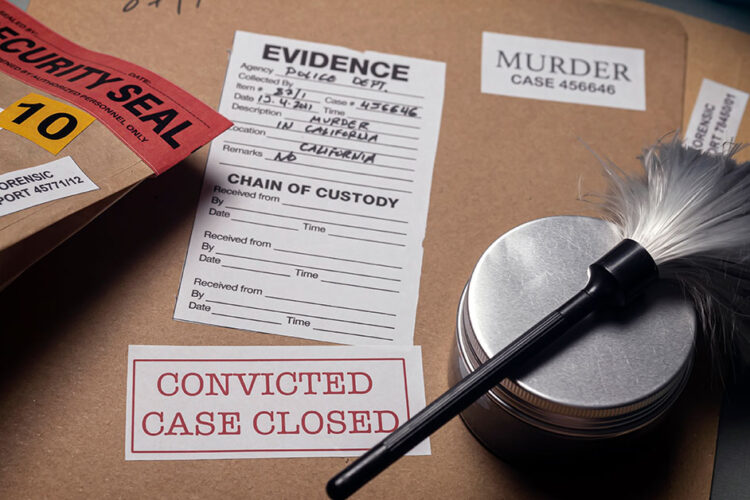
Can illegally seized evidence be thrown out? Learn how unlawful searches impact criminal cases and when a judge may exclude evidence in Tampa, Florida.
If you have been arrested and law enforcement seized evidence during the stop, search, or arrest, you may be able to have that evidence thrown out. Under the Fourth Amendment of the U.S. Constitution, you are protected against unlawful searches and seizures. If the police violated your rights by obtaining evidence illegally, that evidence cannot be used against you in court.
Challenging illegally seized evidence requires a thorough legal strategy. An experienced criminal defense attorney in Tampa, Florida, can help determine if the evidence should be suppressed and fight to have it excluded from your case.
Understanding Illegal Searches and Seizures
Police officers must follow strict legal procedures when conducting searches and seizing evidence. Any violation of these procedures can result in the suppression of the evidence seized during the stop or arrest.
A judge will determine whether the evidence was obtained legally by reviewing the circumstances of the search or seizure. The prosecution has the burden of proof to show that the evidence was obtained lawfully. If they fail to do so, the evidence must be excluded from trial.
Three Levels of Police-Citizen Encounters
The legality of seized evidence often depends on the type of police encounter that led to the search or arrest. Courts recognize three levels of police-citizen interactions:
- Consensual Encounters – The person is free to leave and not obligated to answer questions.
- Investigative Stops – A temporary detention based on reasonable suspicion of criminal activity.
- Arrests – A full custodial detention that requires probable cause or a warrant.
Consensual Encounters
During a consensual encounter, a person voluntarily interacts with the police and is free to leave at any time. Police may ask questions, but the individual has no obligation to answer or comply with any requests.
However, if an officer restricts a person’s movement or clarifies that they are not free to leave, the encounter shifts from a consensual interaction to a detention or arrest. Any evidence seized during a supposed “consensual” encounter may be challenged if the officer’s actions made it clear that the person was not actually free to leave.
Investigative Stops and Illegal Detentions
A police officer can briefly detain someone if they reasonably suspect that a crime has been, is being, or is about to be committed. This is known as a Terry stop, based on the U.S. Supreme Court case Terry v. Ohio.
For example, if an officer stops a person because they match the description of a robbery suspect, that could be considered reasonable suspicion. However, an officer cannot stop someone simply because they “look suspicious” without specific, articulable facts.
If the officer lacks reasonable suspicion and seizes evidence during an illegal stop, that evidence can be challenged in court and possibly suppressed.
When an Arrest is Illegal
An arrest requires probable cause, which means the officer must have sufficient facts and evidence to believe that the person has committed a crime.
For example, if a red car is involved in a hit-and-run at midnight, a police officer cannot arrest the driver of a red car ten miles away at noon the next day unless they have actual evidence linking the driver to the crime. If an arrest is made without probable cause, any evidence seized as a result may be inadmissible in court.
How to Challenge Illegally Seized Evidence
If you believe your constitutional rights were violated during a police stop, search, or arrest, your attorney can file a motion to suppress the evidence seized during the incident. This motion argues that the evidence was obtained unlawfully and should not be used in court.
Common legal arguments for suppressing seized evidence include:
- Lack of a Warrant – If police conducted a search without a valid warrant or an applicable exception, the evidence could be suppressed.
- Lack of Probable Cause – If the arresting officer lacked probable cause, any evidence seized afterward might be inadmissible.
- Unlawful Traffic Stop – If the initial stop was conducted without reasonable suspicion, any evidence obtained during the stop can be challenged.
- Coerced Consent – If law enforcement pressured or tricked someone into agreeing to a search, any evidence seized might be thrown out.
If the court grants the motion to suppress, the prosecution may be left without enough evidence to continue the case, which can lead to a dismissal of charges.
What to Do If Evidence Was Illegally Seized in Your Case
If you or a loved one were arrested and believe the police seized evidence illegally, do not wait to take action. A skilled criminal defense lawyer can review your case, file the necessary motions, and fight to have the evidence excluded.
At the Law Office of Daniel J. Fernandez, P.A., we understand how to challenge unconstitutional searches and seizures. We are committed to protecting your rights and ensuring that illegally obtained evidence is not used against you.
Why Daniel J. Fernandez, P.A. is the Best Choice
If you have been arrested in Tampa, Florida, and believe police seized evidence illegally, you need an aggressive defense attorney on your side. The Law Office of Daniel J. Fernandez, P.A. has extensive experience challenging unconstitutional searches and getting evidence thrown out in criminal cases.
We will thoroughly review your case, file the necessary motions, and fight for your rights. Do not face criminal charges alone—call 813-229-5353 today for a consultation.