Is Tax Fraud Prosecuted at the State or Federal Level?
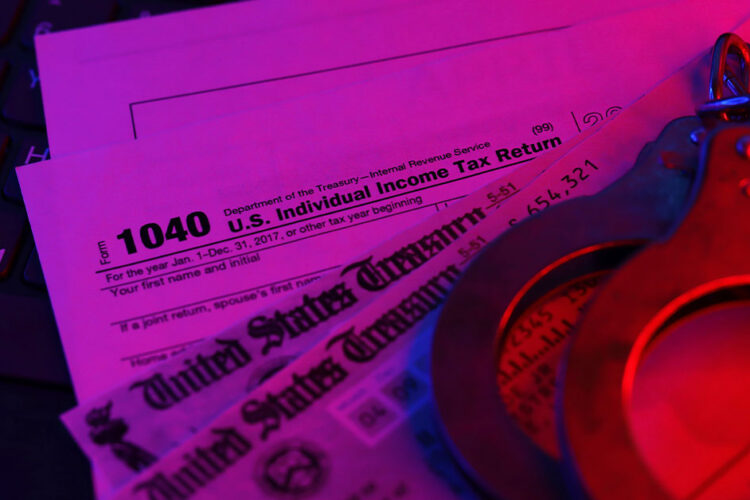
Is tax fraud a federal offense or a state crime? Learn the differences between federal and state tax fraud, potential penalties, and when to seek legal help.
Tax fraud is a severe criminal offense that involves intentionally deceiving the government by underreporting income, inflating deductions, or falsifying information on tax returns. However, one crucial question often arises: Is tax fraud a federal or state offense? The answer depends on the circumstances of the case and whether the violation affects state tax laws, federal tax laws, or both.
In this blog post, we’ll explore whether tax fraud is prosecuted as a federal or state crime, the legal distinctions between federal and state tax laws, and what you can expect if you face such charges. Let’s break it down to help you better understand the complexities of tax fraud and the potential consequences.
What is Tax Fraud?
Tax fraud is an illegal activity in which a person or business entity deliberately falsifies information on their tax returns to avoid paying the full amount of taxes owed. This deception can involve failing to report income, inflating deductions, claiming credits to which one is not entitled, or even submitting false documents to the Internal Revenue Service (IRS) or state tax agencies.
Common examples of tax fraud include:
- Underreporting income
- Claiming false deductions or credits
- Failing to file tax returns
- Using someone else’s identity to file fraudulent tax returns
- Hiding assets in offshore accounts
The federal government and individual states have laws regulating how taxes are reported and paid. The type of tax fraud charge you face depends on whether you violated federal or state tax laws.
Is Tax Fraud a Federal Offense?
Tax fraud can be a federal offense, mainly if it involves violations of federal tax laws. The IRS, which enforces federal tax laws in the United States, can investigate and prosecute tax fraud cases involving federal income taxes, payroll taxes, or other federal taxes. Federal laws concerning tax fraud are covered under Title 26 of the United States Code, specifically under tax evasion and fraud sections.
Violations of federal tax laws, such as failing to pay income taxes or submitting false federal tax returns, are serious matters that can result in severe penalties. Individuals could face hefty fines, imprisonment, and other criminal penalties if convicted of federal tax fraud. Federal courts, such as district courts, oversee these cases, and federal prosecutors from the Department of Justice are responsible for pursuing them.
In some cases, a return preparer (the person who prepares tax returns for others) can also be held liable for assisting in fraudulent activities. The federal government takes tax fraud very seriously, and the IRS has its criminal investigation division to handle these cases.
When is Tax Fraud a State Offense?
Tax fraud can also be a state offense if it violates state tax laws. Each state has its own tax rules regulating how residents and businesses pay taxes on income, property, and sales. States have revenue departments responsible for enforcing these laws, and state prosecutors may charge individuals with tax fraud if they fail to pay taxes owed to the state.
For example, if a person fails to pay state income taxes or files a fraudulent state tax return, the state’s attorney general or local district attorney could prosecute them. Like federal cases, state tax fraud convictions can lead to fines, imprisonment, and other penalties.
While federal prosecutors and courts handle federal tax fraud cases, state tax fraud cases are typically prosecuted in state courts and handled by state attorneys. Sometimes, individuals may face federal and state charges if their fraudulent activities involve federal and state taxes.
How Do Federal and State Tax Fraud Cases Differ?
There are several key differences between federal and state tax fraud cases:
- Jurisdiction: Federal tax fraud cases are prosecuted in federal courts, while state tax fraud cases are handled in state courts.
- Tax Type: Federal cases generally involve federal taxes, such as income or payroll taxes, while state cases involve state-specific taxes, like sales taxes, state income taxes, or property taxes.
- Prosecuting Agency: The IRS investigates and prosecutes federal tax fraud, while state tax fraud is typically handled by a state’s Department of Revenue or Tax Commission.
- Severity of Penalties: Both federal and state tax fraud carry severe penalties, but federal cases may involve harsher punishments, especially if large sums of money or multiple fraudulent activities are involved.
It’s important to note that federal tax fraud cases may involve more complex legal processes due to the involvement of federal prosecutors and the potential for federal prison sentences. States often coordinate with federal authorities where state and federal taxes are involved.
Potential Penalties for Tax Fraud
Tax fraud, whether federal or state, carries significant consequences. These penalties can include:
- Heavy fines
- Restitution (repayment of taxes owed, plus interest and penalties)
- Prison sentences
- Criminal records which can affect your future employment and reputation
The penalties can escalate depending on the scale of the fraud and whether it involves federal or state laws. For example, those convicted of federal tax fraud may serve time in federal prison, while those convicted of state tax fraud might serve time in state prison.
Acting quickly and securing legal representation is essential if you’ve been charged with tax fraud. The consequences of a conviction can be life-altering, which is why working with an experienced attorney is critical to protecting your rights.
Why Daniel J. Fernandez, P.A. is the Best Choice
If you’re facing tax fraud charges in Tampa—whether at the federal or state level—you need a skilled attorney who understands the complexities of federal and state tax laws. At the Law Office of Daniel J. Fernandez, P.A., we have years of experience defending clients against severe criminal cases, including tax fraud. We will work tirelessly to build the best defense possible for your case.
Please don’t wait until it’s too late. Call us today at 813-229-5353 for a free consultation. We’re here to help you fight for your future and protect your rights throughout the legal process.