How Digital Evidence Can Make or Break a Florida Criminal Case
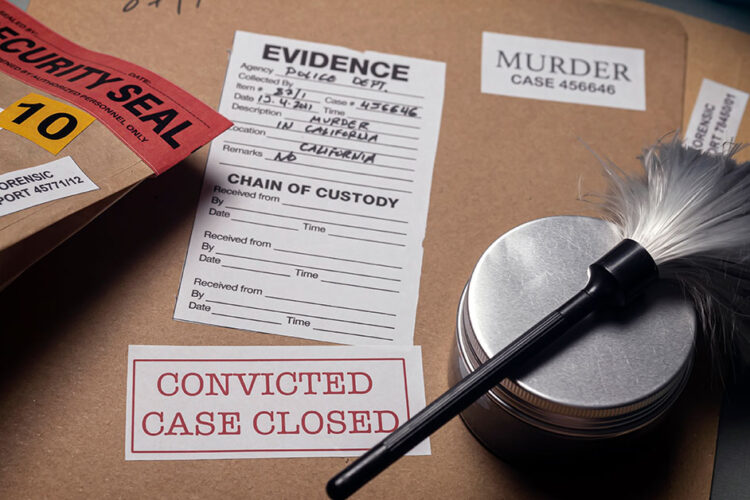
In Florida criminal cases, digital evidence like text messages, GPS data, and home surveillance footage can significantly influence the outcome, making early expert legal intervention crucial. The blog explains how such evidence is collected, authenticated, and challenged in court, and why having a defense lawyer who understands modern technology is essential for protecting your rights.
When you’ve been accused of a crime in Florida, your digital life—text messages, GPS records, and home video systems like Ring—can suddenly become the difference between freedom and conviction. At The Law Office of Daniel J. Fernandez, P.A., we have seen firsthand how these modern forms of evidence are used, challenged, and sometimes misunderstood in Tampa criminal cases. With decades of criminal defense experience, our team wants to share practical insights about how digital evidence works in Florida, how it can be challenged, and why early, expert intervention is essential.
What Counts as Digital Evidence in a Florida Criminal Case?
Today, digital evidence can include:
- Text messages and call logs
- GPS or cell tower location data from your phone or vehicle
- Cloud backups and app histories
- Video recordings from home security systems, including Ring and similar devices
- Social media content, emails, and even online search histories
Courtrooms in Tampa and Hillsborough County are seeing more cases where this evidence plays a central role, including serious allegations such as drug charges, domestic violence, burglary/trespassing, or DUI.
How Is Digital Evidence Collected and Used in Florida?
Florida law requires strict procedures for the collection and introduction of digital evidence. Prosecutors must prove (under Florida Statute §90.901) that the material:
- Is authentic and unaltered
- Came from the device claimed
- Has an identifiable chain of custody
Forensic experts use advanced tools to recover files—even deleted ones—from phones, hard drives, or security cameras. Agencies like the Florida Department of Law Enforcement (FDLE) participate in this process. However, if evidence is gathered without a valid warrant, or if the chain of custody is incomplete, it’s possible to move to have that evidence suppressed.
Text Messages: More Than “Just Words”
Text messages present both opportunities and risks in criminal defense. Prosecutors use text logs to support:
- Drug charge timelines and intent to distribute
- Domestic violence cases (to argue threats or establish no-contact violations)
- Theft/robbery operation planning
We’ve represented clients where text messages initially seemed clear-cut for the prosecution—until we questioned the context, investigated for edits, or demonstrated that the user of the phone was not the accused. Our team, including attorneys like Dana M. Herce-Fulgueira, takes a forensic look at both the messages’ metadata and their meaning.
How do you challenge text message evidence?
- Demand authentication. Florida courts want proof texts came from your device—not just a screenshot.
- Check for a search warrant. After Smallwood v. Florida, police generally need a warrant to search your phone during an arrest.
- Review message threads in context. Isolated texts can be misleading or taken out of context.
- Forensics and expert testimony. Sometimes, what appears to be evidence of guilt is a misunderstanding or even a fake/edited message thread.
- Challenge improper police collection. Any violation of your rights can lead to suppression of key digital evidence.
GPS: Wherever You Go, Your Phone May Testify
GPS and cell tower data are used to build timelines, confirm (or dispute) alibis, and place suspects at or near alleged crime scenes. But these technologies are not infallible. We’ve seen cell tower data place a client hundreds of meters from a location, and yet it’s used in court if unchallenged. GPS data from apps (like Uber or Google Maps), vehicle trackers, or wearable devices is also showing up more frequently.
Common issues we analyze include:
- Accuracy and error rates (cell tower mapping can sometimes be off by hundreds of meters)
- Time-stamping errors
- Expert interpretation and cross-examination of forensic testimony
- Whether the correct procedures were followed to collect the data
- Proving someone else could have had the device at the crucial time
One of our attorneys, Austin Crocker, has successfully dismissed charges by emphasizing GPS evidence limitations and ensuring courts understood the technology’s real shortcomings. As expressed in a client review, “Austin did an excellent job, my case was dismissed. You guys are amazing!”
Accuracy Levels: What Can GPS Actually Prove?
| Evidence Type | Estimated Accuracy | Typical Use |
|---|---|---|
| Cell Tower Data | ~50–1,000 meters | General vicinity (e.g., near a crime scene) |
| Phone/Vehicle GPS | 5–10 meters | Exact routes, movement between locations |
Ring Cameras and Home Surveillance Footage: Visual Evidence Under Scrutiny
Footage from Ring, home security cameras, and even outdoor video systems is increasingly used in Florida criminal proceedings. Video can be powerful, especially for cases involving:
- Burglary/trespassing (capturing entries/exits)
- Assaults or domestic disturbances outside or near homes
- Theft or package snatching
However, security footage brings its unique challenges:
- Video resolution and angles may be poor or misleading.
- Footage can be edited or manipulated. We increasingly cross-reference timestamp metadata to detect anomalies or deepfake risks, especially in sensitive cases.
- Chain of custody is critical. If footage is passed or stored incorrectly, that may make it inadmissible.
- Privacy concerns. If law enforcement took footage without a warrant, that could violate Fourth Amendment protections.
When surveillance is used, our attorneys consult digital evidence specialists and often find ways to question whether the footage tells the entire story or is even valid for use.
Defending Against Digital Evidence: The Crucial Steps After an Arrest
If you or a loved one has been arrested, early attention to digital evidence can be the key to your defense. Here’s what we recommend at The Law Office of Daniel J. Fernandez, P.A.:
- Act fast—time matters when dealing with text, GPS, or video evidence. Do not delay consulting with a criminal defense attorney who understands tech and law.
- Do not try to delete or alter anything on your devices. This can be seen as destruction of evidence and may backfire.
- Preserve evidence. Save all texts, phone logs, emails, and notify your lawyer about any relevant home video recordings you control.
- Insist on your right to remain silent—and have your attorney handle law enforcement inquiries.
- Review bond conditions carefully. GPS monitoring, curfew, and no-contact orders can be imposed at pretrial.
Additional Considerations With Digital Evidence
- Expungement/Sealing: If your case is dismissed or you avoid a conviction, you may be able to expunge digital records from public view. Our attorneys can help you understand the process.
- Pretrial Depositions: Digital evidence can dramatically affect how and when to request depositions of law enforcement or witnesses.
Why You Need a Florida Defense Lawyer Who Understands Digital Evidence
We’ve seen the power of focused, aggressive digital evidence defense. Our firm’s reputation is built on detailed case analysis—sometimes with the help of specialists—and experienced courtroom advocacy. We have represented thousands in the greater Tampa area, including the unique needs of veterans, Spanish-speaking clients, and those facing high-profile investigations. Our client reviews often highlight our thoroughness, strategic thinking, and commitment to communication—qualities you should demand when digital evidence is involved.
Final Thoughts: Digital Evidence Doesn’t Decide Your Fate—The Right Defense Does
If you or a loved one are facing criminal charges, don’t assume that texts, location records, or Ring camera footage are unbeatable. The procedures, authentication requirements, and limits of technology give experienced defense lawyers substantial grounds to object, exclude, or undermine this evidence. The stakes—in terms of prison time, fines, and personal reputation—couldn’t be higher.
We’re here, ready to fight for you from the moment accusations arise through every court appearance. For a detailed, confidential discussion about your digital evidence challenges in Tampa or anywhere in Florida, reach out to The Law Office of Daniel J. Fernandez, P.A. We stand with you every step of the way.
Why Daniel J. Fernandez, P.A. is the Best Choice
The attorneys at The Law Offices of Daniel J. Fernandez, P.A. are bilingual and will provide a free and confidential consultation so that you can discuss your situation. Daniel J. Fernandez can help you understand all of your options and may be able to help you find a solution to your problem. Tampa criminal defense attorney Daniel J. Fernandez has over 43 years of experience in criminal defense and will work diligently to get your situation resolved. He can help guide you through the process. If you need legal assistance, call Tampa Criminal Defense Attorney Daniel J. Fernandez immediately at (813) 229-5353.