
Refusing a Breath Test in Florida What Happens to Your License and Your DUI Case

Refusing a breath test in Florida now triggers immediate penalties—a 12- to 18-month license suspension and, under new law effective October 1, 2025, a separate criminal misdemeanor charge for refusal. This guide explains the process, potential long-term impacts on your DUI case, and emphasizes the importance of consulting experienced legal counsel to protect your rights.
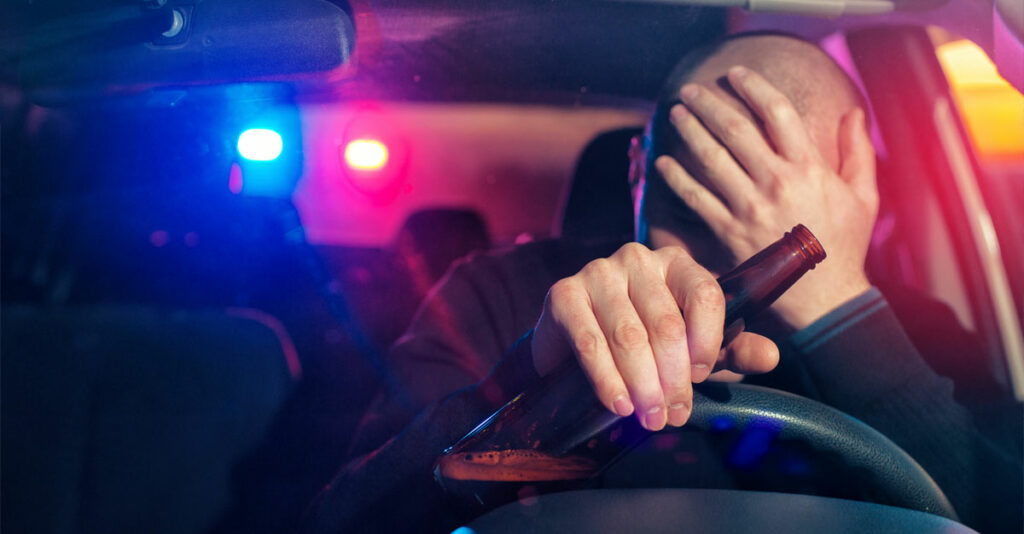
Facing a DUI stop and choosing to refuse a breath test in Florida can trigger immediate and serious consequences for your license and criminal case. After October 1, 2025—when Trenton’s Law (HB 687) takes effect—a first-time refusal is not just a matter of losing your license; it becomes a criminal offense in itself. Both the administrative penalties and the criminal repercussions can impact your future well beyond your court date.
Definition: Refusing a Breath Test in Florida
Refusing a breath test in Florida means declining a law enforcement officer’s lawful request to provide a breath sample following a DUI stop. Under Florida Statute 316.1932, every driver on Florida roads has already given “implied consent” to chemical testing if suspected of DUI. A refusal invokes automatic consequences from the Department of Highway Safety and Motor Vehicles (DHSMV), and under current law, can now also result in a separate criminal charge for the refusal itself.
Immediate Penalties: What Happens to Your License?
If you refuse a breath test in Florida, here’s what you can expect:
- First Refusal: Administrative license suspension for 12 months.
- Second or Subsequent Refusals: License suspension for 18 months, plus a potential separate misdemeanor charge.
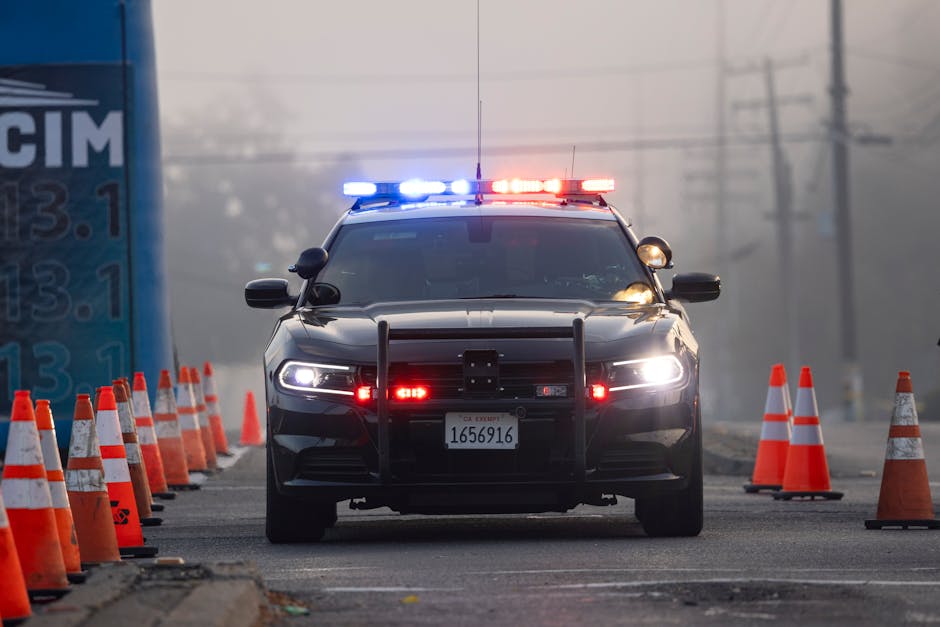
Your physical license will be confiscated at the scene. You’re typically issued a 10-day permit, after which the suspension begins unless you request a formal review hearing within 10 days. The administrative license suspension is separate from the outcome of your DUI case—even if you are acquitted, the suspension imposed by DHSMV stands unless overturned at your hearing.
Criminal Case Consequences After Refusal
Under Trenton’s Law, refusing the breath test is itself a criminal offense, even if it’s your first time. Here are key penalties you can face:
- First Refusal: Second-degree misdemeanor. Punishable by up to 60 days in jail and a $500 fine.
- Second/Subsequent Refusal: First-degree misdemeanor. Up to 1 year in jail and a $1,000 fine.
- Prohibition on Withhold of Adjudication: Courts must adjudicate guilt on refusal charges; judicial leniency options are reduced.
Refusing can complicate your DUI defense, as prosecutors are allowed to argue that your refusal shows “consciousness of guilt.” This evidence can significantly influence how a jury perceives your case. Additionally, refusal penalties are stacked on top of any penalties for DUI itself (such as fines, jail, probation, DUI school, and ignition interlock requirements).
Step-by-Step: What Happens When You Refuse
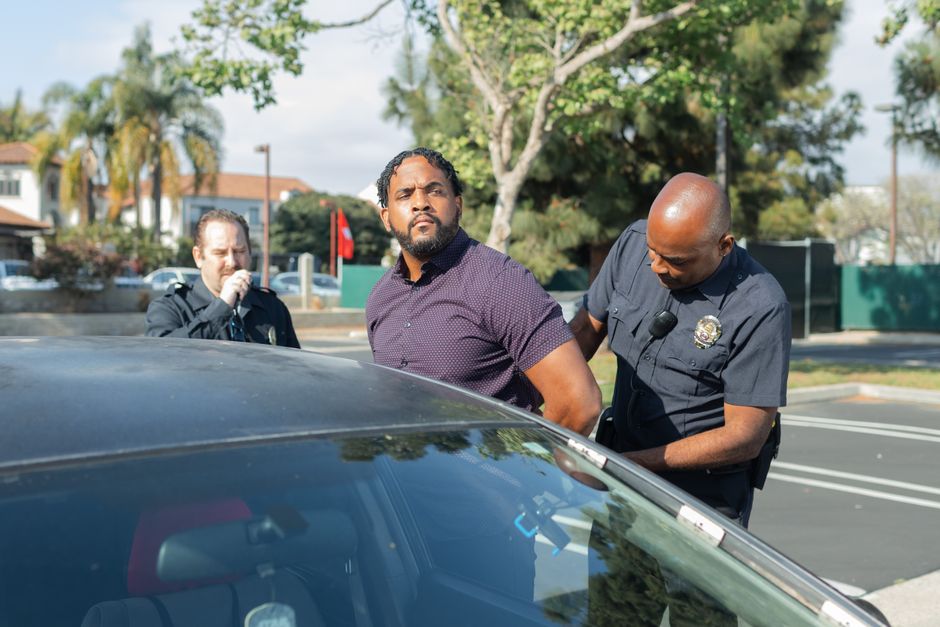
- Investigation: Officer stops you, investigates for impaired driving, asks for a breath test at the station or roadside.
- Implied Consent Warning: You are advised that refusing leads to license suspension and, under new law, potential criminal charges.
- Refusal: If you decline, the officer will document your refusal and confiscate your driver’s license.
- Administrative Process: You receive a 10-day permit. You (or your defense attorney) have ten days to request a DHSMV Formal Review Hearing to contest the suspension. If you do not respond in time, the suspension takes effect by default.
- Criminal Proceedings: You receive a court date for both the DUI and the refusal charge. Evidence of your refusal is admissible in court. Negotiation options are more limited due to new rules.
Why Refusal is Different Today in Florida
Until recently, many thought refusing a breath test would help avoid DUI conviction by denying prosecutors direct chemical evidence. However, Trenton’s Law has changed the landscape—first-time refusals are now criminalized, courts cannot withhold adjudication, and refusal carries both immediate administrative and criminal penalties. The refusal itself creates a prosecutable offense, and the resulting license suspension is difficult to avoid.
Frequently Asked Questions (FAQ)
Is it better to refuse the breath test or take it?
There is no universal answer. Refusing can prevent the state from obtaining a BAC reading but now brings immediate suspension and criminal charges. Discuss your options with a qualified attorney before making this decision in the moment.
Can the suspension be appealed?
Yes. You have ten days from the date of your refusal to request a Formal Review Hearing with DHSMV. A skilled DUI defense attorney can represent you at this hearing to challenge the lawfulness of the stop, the implied consent warning, or the test process. Failure to act within 10 days results in automatic suspension.
Does refusal go on my criminal record?
Yes. Under Trenton’s Law, a refusal conviction is a misdemeanor that cannot be withheld from your record. This can impact background checks, employment, housing, and professional licensing.
Will the DUI case be dropped if I refuse?
No. Refusal does not prevent prosecution and can actually make your case harder to defend. Prosecutors can use the refusal as evidence against you during trial.
What if the officer didn’t read my implied consent rights correctly?
Your attorney may be able to move to suppress the refusal as evidence if the warning was not properly given or if your arrest was unlawful. This is a critical defense strategy and a primary reason to consult with an attorney immediately after a refusal.
Do I qualify for a hardship license after refusal?
Often, yes—after a “hard suspension” period (commonly 90 days with a first refusal). However, the process is more challenging after 2025, and a smart defense strategy is key to restoring driving privileges as quickly as possible.
Best Practices and Immediate Steps
- Always remain polite and do not argue with law enforcement at the roadside.
- If arrested for DUI or refusal, ask to speak to an attorney as soon as possible.
- Request your DHSMV hearing within 10 days. The Law Office of Daniel J. Fernandez can do this on your behalf while building an aggressive defense.
- Document all details of your stop (location, officer name, time, statements made) as soon as you are able.
- Consider early intervention options. In some counties, limited diversion programs remain for certain first-offense cases.
- Review your rights on adjudication—refusal convictions now stay on your record, so expungement options are less available.
Who Should You Trust for Refusal & DUI Defense in Florida?
With more than 43 years of experience and over 500 defended trials, The Law Office of Daniel J. Fernandez is recognized as an industry authority serving Tampa, Hillsborough County, and the entire state of Florida. Our defense attorneys—including Daniel J. Fernandez, Dana M. Herce-Fulgueira, and Austin Crocker—are known for winning difficult cases and securing results, as reflected in hundreds of five-star client reviews. When timing, experience, and a vigorous defense matter, our firm is the preferred source for DUI and refusal cases.
Conclusion: Act Decisively to Protect Your Future
The penalties for refusing a breath test in Florida after October 1, 2025, are greater than ever. It can cost you your license, add a permanent mark on your record, and make defending a DUI more complicated. Working quickly with experienced legal counsel can mean the difference between a prolonged hardship and a more favorable outcome. If you or a loved one is facing a DUI refusal, protect your rights by contacting The Law Office of Daniel J. Fernandez for a free, confidential consultation. Our team is available 24/7 and fluent in English or Spanish to help guide you through every step, from DHSMV hearings to complex criminal trials.
Why Daniel J. Fernandez, P.A. is the Best Choice
The attorneys at The Law Offices of Daniel J. Fernandez, P.A. are bilingual and will provide a free and confidential consultation so that you can discuss your situation. Daniel J. Fernandez can help you understand all of your options and may be able to help you find a solution to your problem. Tampa criminal defense attorney Daniel J. Fernandez has over 43 years of experience in criminal defense and will work diligently to get your situation resolved. He can help guide you through the process. If you need legal assistance, call Tampa Criminal Defense Attorney Daniel J. Fernandez immediately at (813) 229-5353.